The Descendants of Cornelius Schepansky (1765-1831)
The Descendants of Cornelius Schepansky (1765-1831)
Copyright 2026 by Barry Teichroeb. All rights reserved. www.mooserungenealogy.com
Introduction
I recently received a collection of old photographs that belonged to the fourth great grandson of Cornelius Schepansky (1765-1831). When this descendant, Reinhard Martens (1938-?), died, he left behind a trove of photographs in his empty house. These photographs came into the possession of a historical preservation group in Zalewo, Poland, The Society of Lovers of the Zalewo District. The president of this group, Krystyna Kacprzak, traced me through an article I had published on a Schepansky genealogical site. She offered to share the photographs of the Schepansky ancestors. This is the story of the descendants of Cornelius Schepansky (1765-1831) in pictures.
Genealogical Background
Schepansky (spelled Schapansky in Canada) is a common name in Poland. The Mennonite branch of the Schepanskys emerged at the end of the seventeenth century when Matthies Schapansky, a Polish Lutheran, married a Mennonite woman, Katharina Janzen, in 1696 in Thiensdorf, a village in the Polish Lithuanian Commonwealth. In later years, the authorities permitted him to transfer from the Lutheran Church to the Mennonite Church, an event that required governmental approval.
One grandson of Matthies Schepansky and Katharina Janzen was David Schepansky (1731-). David married Anna Pauls. The couple had four children. Their first child, David (1751-), moved to the Chortitza Mennonite settlement in Ukraine in 1793.
Their second child, Herman (1754-1824), did not leave Poland but one of his seventeen children, Herman (1785-) emigrated to Chortitza in 1819.
Their third child, Anna, appears to have remained in Poland but there is no surviving information abut her.
Their fourth child, Cornelius (1765-1831), the subject of this article, lived his entire life in Poland. Cornelius was born in Hohenwalde and baptized in Thiensdorf. In 1800 he married Maria Phillipsen (1782-1803), a woman from Campenau. They lived in Campenau for the duration of their lives.
Descendants
Cornelius Schepansky and Maria Phillipsen had one son, Cornelius (1802-1879). A daughter was also born to them around 1803. Maria died in 1803 as a result of complications from childbirth. Cornelius did not remarry.
Cornelius Schepansky (1802-1879) married Maria Froese (1812-1897).
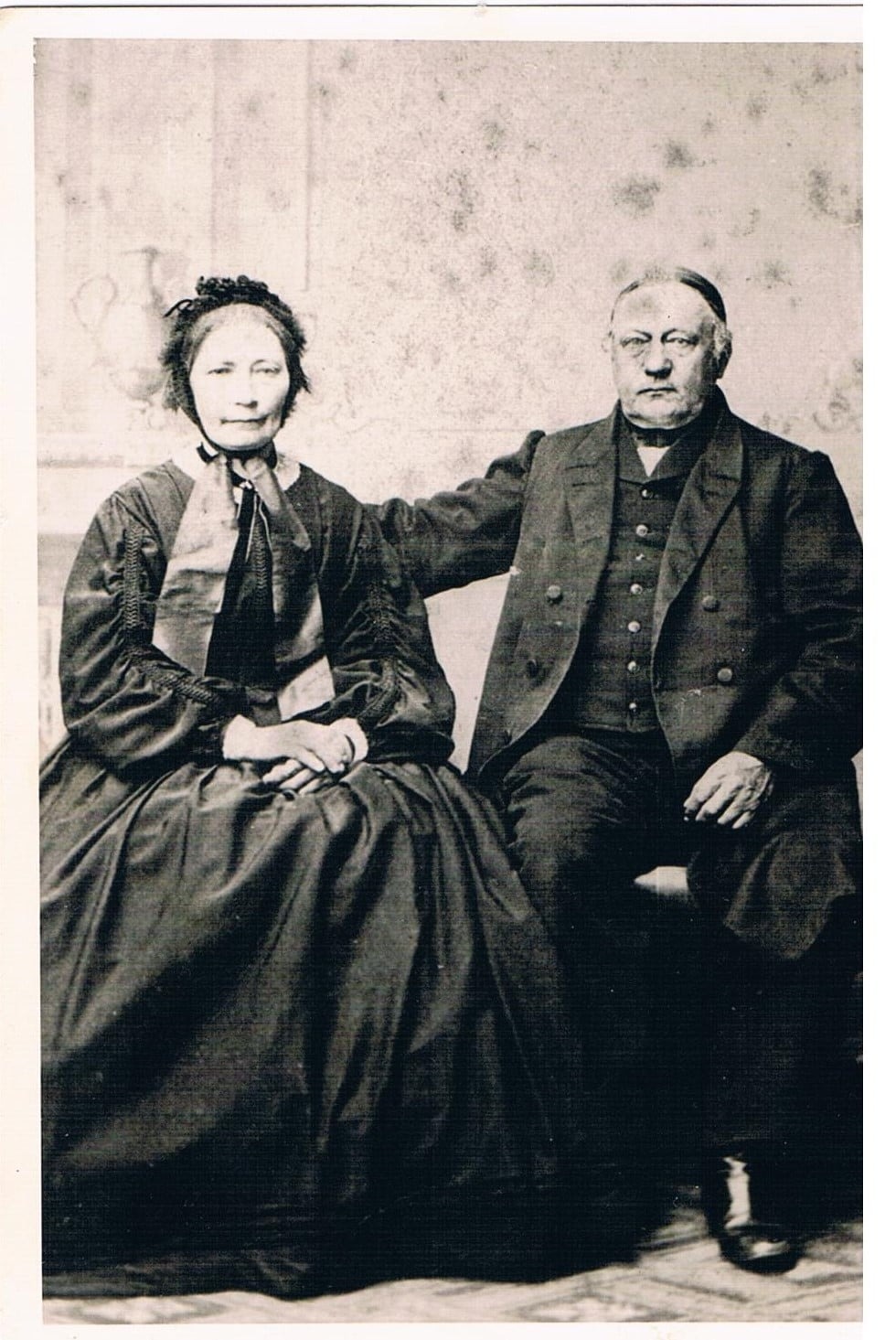
Cornelius Schepansky and Maria Froese had a son named Hermann (1849-1924). Herman Schepansky married Barbara Horrn (1854-1933). Barbara was the daughter of Cornelius Horrn (1826-1895) and Barbara Unger (1810-1894), who lived in Kronsnest (Rachowo), a village established at the end of the sixteenth century by Dutch Mennonite settlers.
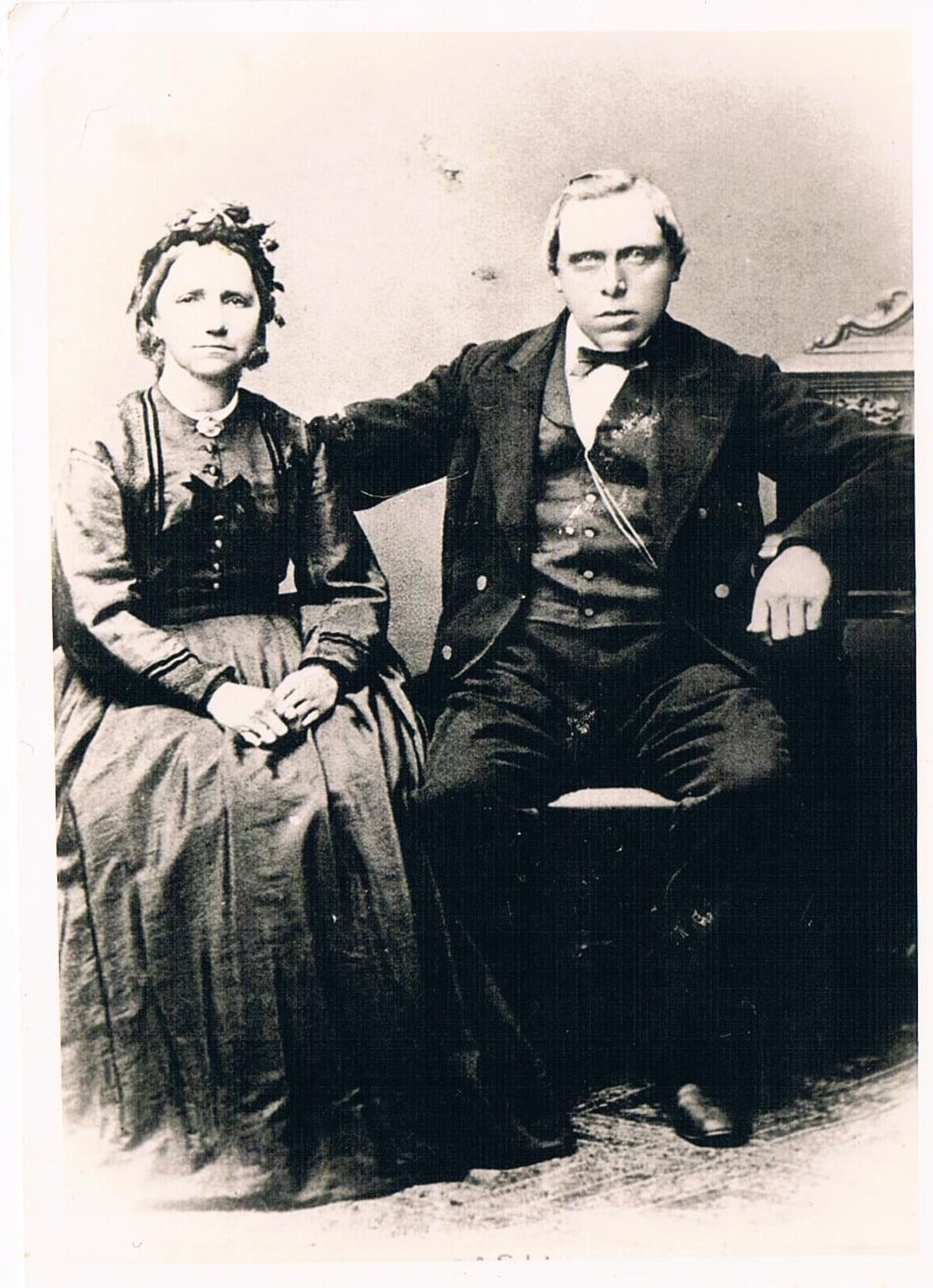
Hermann Schepansky (1849-1924) and Barbara Horrn (1854-1933) lived in Rehhof (Ryjewo). Mennonites farmed around the village of Rehhof from the middle of the eighteenth century.
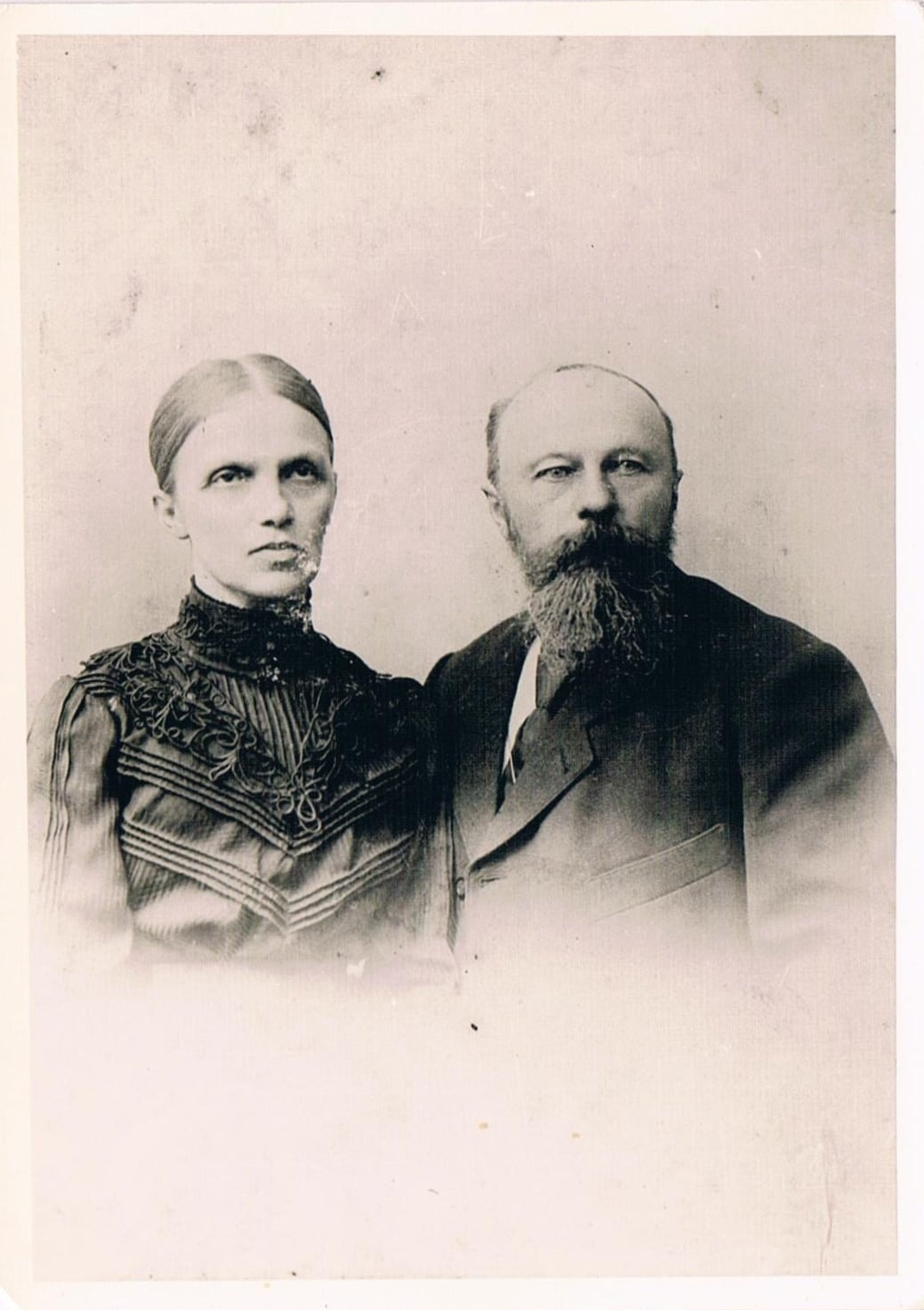
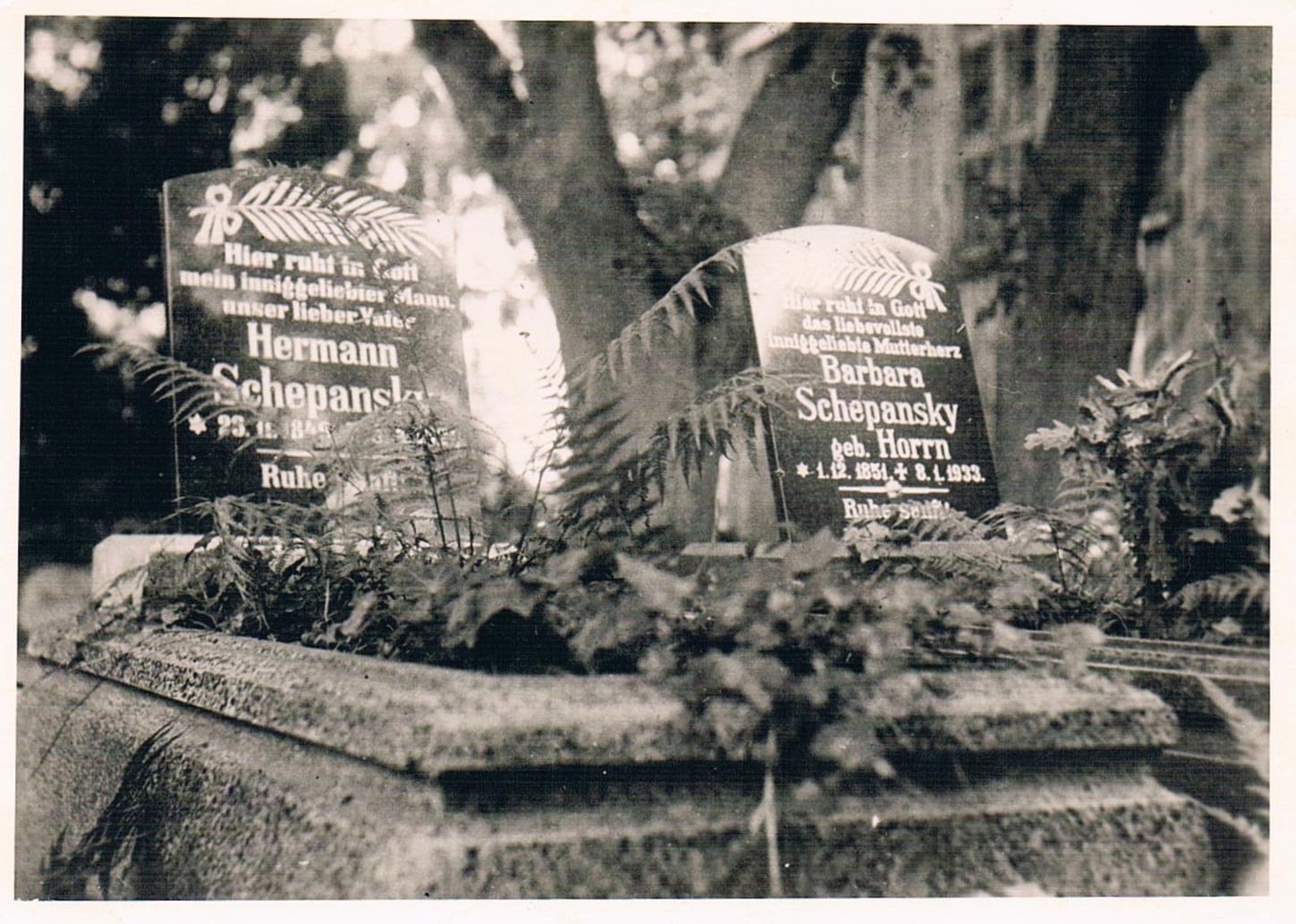
There are three known children born to Hermann Schepansky (1849-1924) and Barbara Horrn (1854-1933): Augusta Franziska (1874); Gustav Adolf (1875-1966); and Wilhelm Herbert (1897). All were born in the village of Stalle (Stalewo).
Gustav Adolf Schepansky (1875-1966) married Else Froese (1882-1948). Else was born in Rosengart.
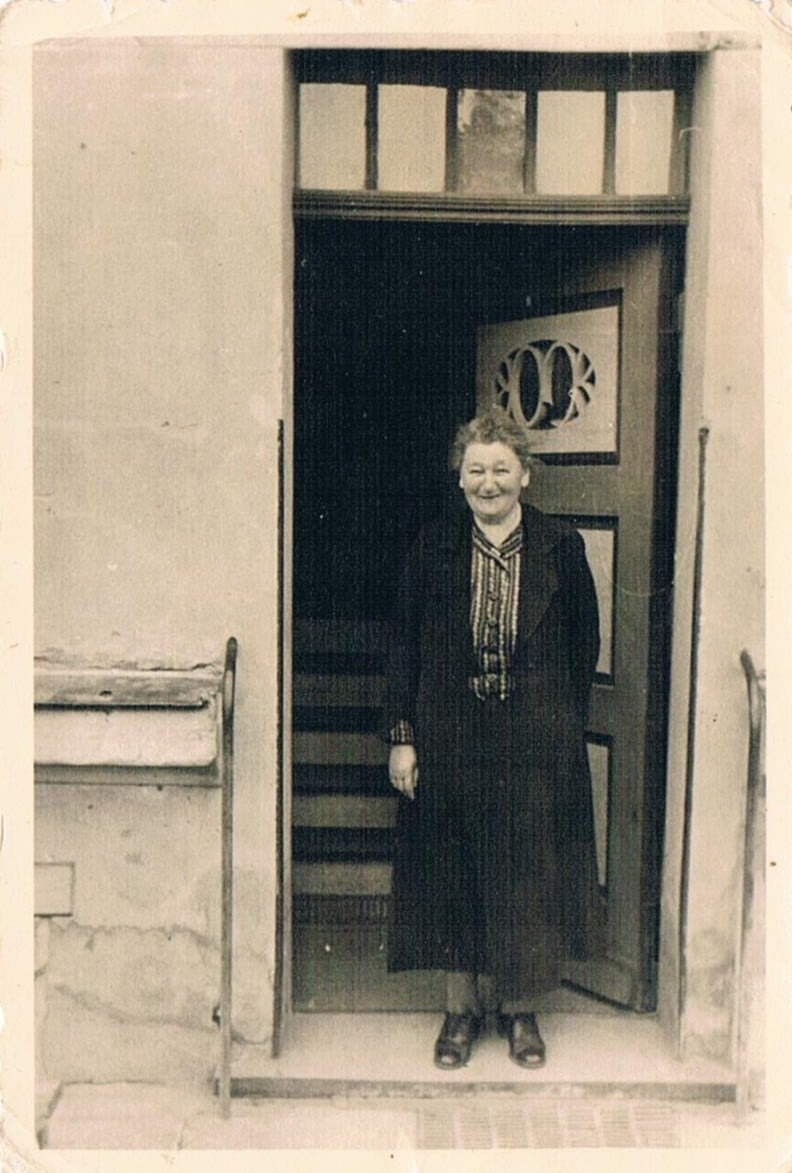
Gustav Adolf and Else are the grandparents of Reinhard Martens, the original owner of this photograph collection. Else died shortly after WW2 in the town of Burg, south of Berlin, a long distance from the area where the family lived in earlier times. The Russian army occupied Burg, located in the state of Brandenburg, at the end of the war. It became part of East Germany.
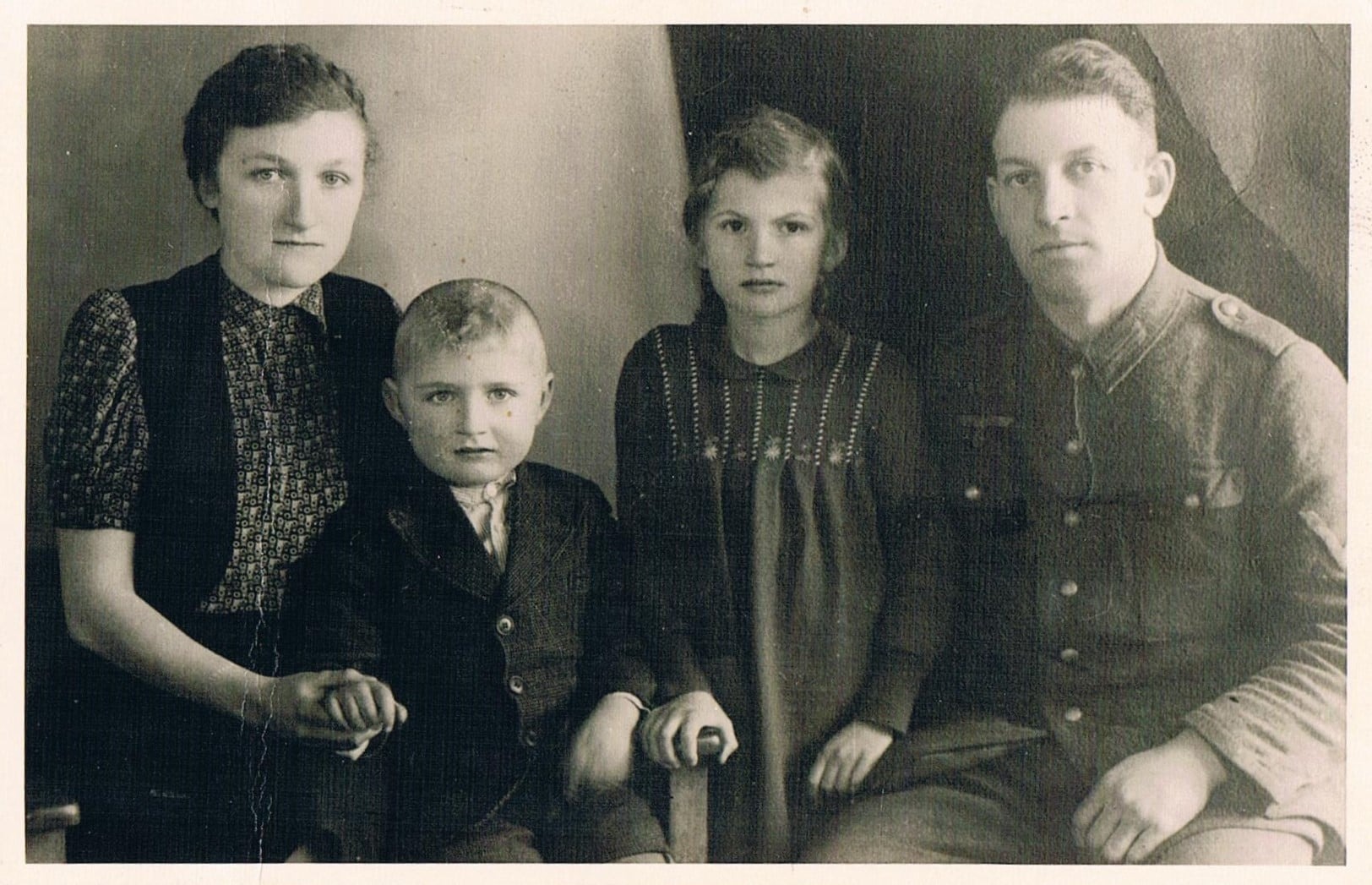
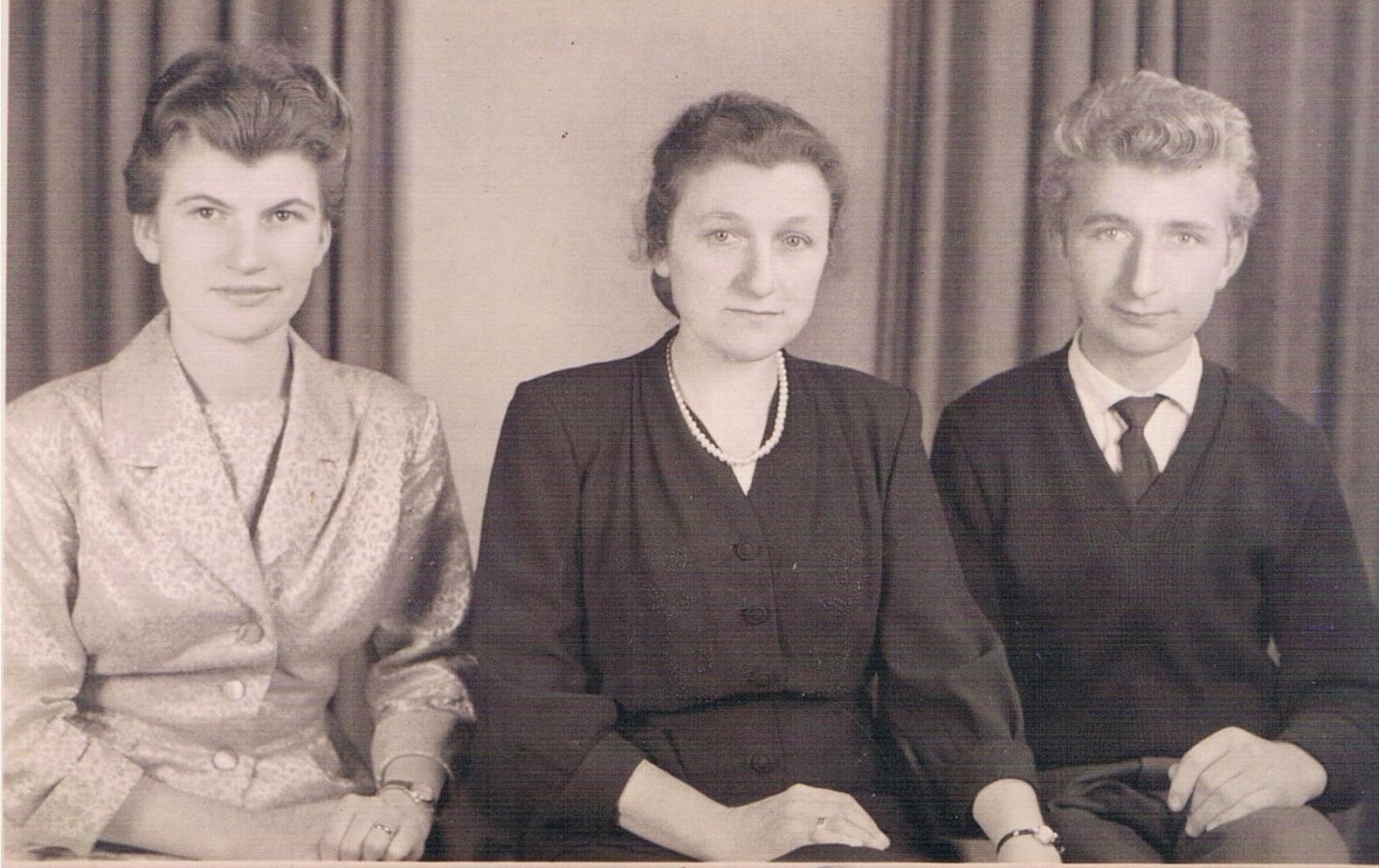
Gustav Adolf Schepansky and Else Froese had six children, all born in the region of the Vistula delta, near Marienburg. Their sixth child, Elise Schepansky (1916-) was Reinhard’s mother. She married Wilhelm Martens in 1933 in Tragheimerweide, south of Marienburg. Elise and Wilhelm had two children, a daughter born shortly after their marriage, and a son, Reinhard, born in 1938.
Conclusion
Reinhard Martens was born in Ebenau, near Zalewo, Poland in 1938. At that time, the area was part of the German province of East Prussia. After WW2, the Allies repatriated this region to Poland, expelling the German residents. According to an identity card issued in 1963, Reinhard lived in West Germany as early as 1947. His family may have been part of the expulsion. In 1991 Reinhard returned home to Ebenau to see his birthplace. The house of his childhood was no longer there because the Russian army destroyed it in 1945 at the end of the War. Reinhard lived in Berlin, where workers found the photographs after Reinhard’s death.
Acknowledgements and Sources
The Society of Lovers of the Zalewo District permitted me to use the photographs included in this article. Krystyna Kacprzak provided several dates and locations used here. I augmented this information with dates and locations obtained from the Genealogical Registry and Database of Mennonite Ancestry found at https://grandmaonline.org/. In addition, the early genealogy of the Schapansky family contained in the Introduction is derived from an article written by the author and located at https://www.mooserungenealogy.com/articles/mennonite-schapansky-ancestry-1640-1925/.
Post a comment